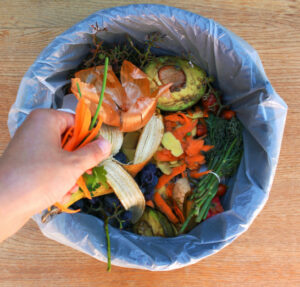
 Research (March 2020 – CNN Health) shows that twice as much food is wasted worldwide than previous studies estimated. Moreover, there appears to be a direct link between wealth and food waste. The richer we are, the more food we waste.
This not only has an impact on the amount of waste produced, but also indirectly on the ecological footprint and water footprint. We explain why and what you can do about it personally.
The figures on food waste
The water footprint and the ecological footprint
What does this have to do with our footprint? Everything, of course. After all, all kinds of resources are needed to produce food products. Energy is consumed—and CO₂ is emitted—to produce, transport, package, and so on. What’s more, water is also used to produce these food products. If you consider that it takes 1,500 liters of water to produce a piece of beef and you throw away a third of it, that amounts to 500 liters of water. All that water down the drain, just washed away, even if not literally.
The problem of food waste has become so significant that climate experts identify it as one of the most important sustainability issues worldwide. The United Nations has established an ambitious environmental program to eliminate all food waste by 2030.
What you can do
On the page “I want to save,” you will find all kinds of tips for reducing your water footprint. One of them is “I will not throw away any food at all at least 5 days a week.”
If you don’t throw away any food at all for five days a week, you can save up to 1,315 liters of water per week. Of course, this figure varies from person to person. The 1,315 liters is based on the average amount of food wasted by a Belgian every day. Whether it’s a little more or a little less, freezing food instead of throwing it away, eating leftovers the next day or giving them away to neighbors, via Facebook groups or in other ways, it all helps to reduce your water footprint. What’s more, you are also showing solidarity with your fellow human beings and saving on the cost of garbage bags. So go for it!
Want to know more about food and the water footprint? Then go to the page with tips on food & drink.
Source: March 2020 study (CNN Health)